Asic-miners for Litecoin - LTC mining
- Payback period calculation
- Help choosing something within your budget
- Post-purchase support
- Popular models in stock
-
Bitmain AntminerIn stock
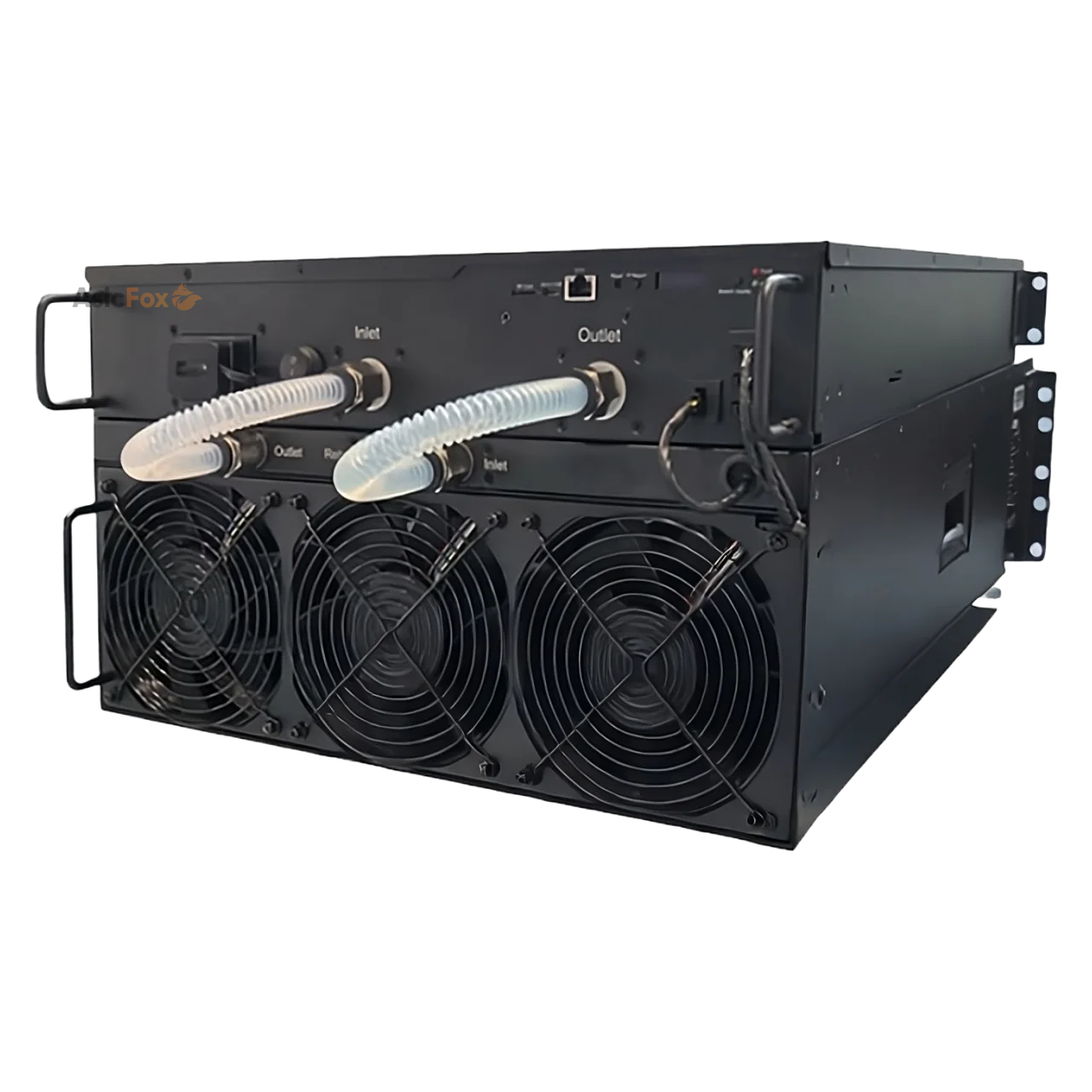
Asic-miner Bitmain Antminer L11 Hyd 6U 33Gh/s 5676Вт (L11 Hydro 6U 33Gh/s)
- 33 Gh/s
- 5676
- 172 W/Gh

- AlgorithmScrypt
- МонетыBellscoin - BELLS
- Дата производства2025
-
Bitmain AntminerIn stock
Asic-miner Bitmain Antminer L11 Pro 21Gh/s 3612Вт (L11 Pro 21Gh/s)
- 21 Gh/s
- 3612
- 172 W/Gh
- AlgorithmScrypt
- МонетыBellscoin - BELLS
- Дата производства2025
-
Bitmain AntminerIn stock
Asic-miner Bitmain Antminer L11 20Gh/s 3680Вт (L11 20Gh/s)
- 20 Gh/s
- 3680
- 184 W/Gh
- AlgorithmScrypt
- МонетыBellscoin - BELLS
- Дата производства2025
-
- AlgorithmScrypt
- МонетыDogecoin - DOGE
-
- AlgorithmScrypt
- МонетыBellscoin - BELLS
- Дата производства2024
-
- AlgorithmScrypt
- МонетыBellscoin - BELLS
- Дата производства2024
-
Bitmain AntminerIn stock
Asic-miner Bitmain Antminer L9 15Gh/s Scrypt 3300Вт (L9 15Gh/s)
- 15Gh/s
- 3300
- 220 W/Gh
- AlgorithmScrypt
- МонетыBellscoin - BELLS
- Дата производства2024
-
- AlgorithmScrypt
- МонетыBellscoin - BELLS
- Дата производства2025
-
- AlgorithmScrypt
- МонетыBellscoin - BELLS
- Дата производства2024
-
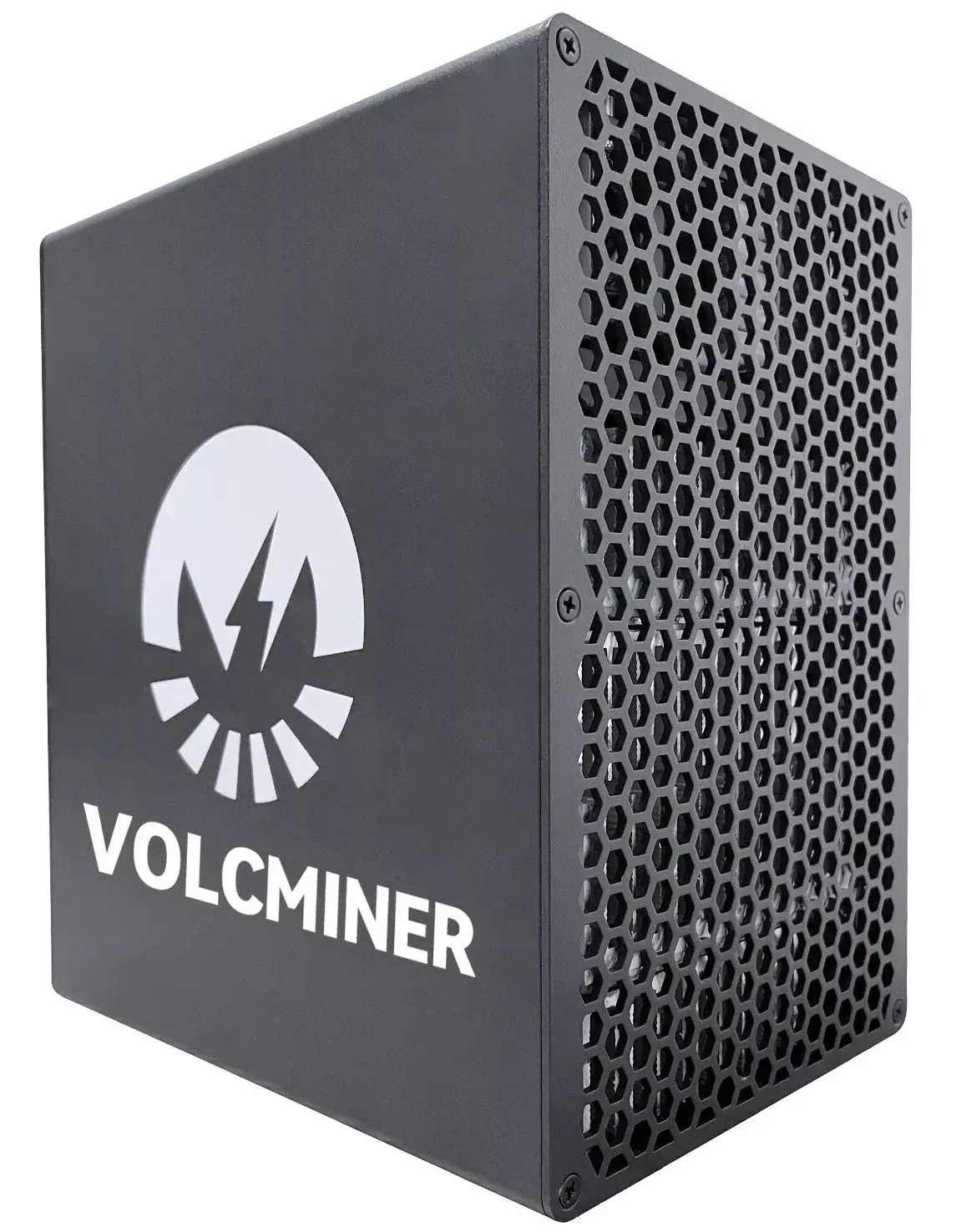
VolcMinerIn stock
Asic-miner VolcMiner D1 Mini Pre 2.2Gh/s 500Вт (D1 Mini Pre 2.2Gh/s)
- 2.2 Gh/s
- 500
- 0,23 W/Mh
- AlgorithmScrypt
- МонетыBellscoin - BELLS
- Дата производства2025
-
Bitmain AntminerIn stock
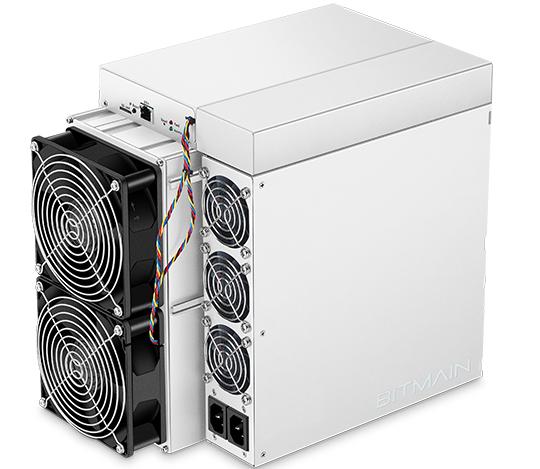
Asic-miner Bitmain Antminer L7 9.5Gh/s 3425Вт (L7 9.5Gh/s)
- 9.5 Gh/s
- 3425
- 360,53 W/Gh
- AlgorithmScrypt
- МонетыBellscoin - BELLS
- Дата производства2021
-
- AlgorithmScrypt
- МонетыBellscoin - BELLS
- Дата производства2024


Litecoin was invented by Charlie Lee in 2011 while he was working at Google. He wanted to create something like digital silver to complement Bitcoin gold. Today, LTC is one of the top cryptocurrencies and is actually used for transfers. Fees are minimal and transactions are fast.
The main feature of Litecoin is that it does not use the same algorithm as Bitcoin. Charlie chose Scrypt instead of SHA-256. It may seem like a minor detail, but it has radically changed the entire mining game.
Why ASIC miners are used for Litecoin
Modern ASIC miners for Litecoin (Scrypt) differ conceptually in terms of the process and chips, which are originally designed to work effectively for this type of mining. All computing power is directed towards one task — mining.
As for the mining itself, the task of Litecoin mining is to find as many blocks as possible. Given the current market and network conditions, blocks are generated every 2.5 minutes.
Which ASIC models for Litecoin mining are currently trending?
The L9 has become the top model with a hashrate of 17 GH/s. Energy efficiency has increased significantly compared to previous versions. Large farms around the world operate on such miners. The L7 is technically already the previous generation, but many still buy it. The reason is simple — the price.
Hydro miners are a separate story. Such models are suitable for home use. Water cooling makes them almost silent, and the heat can be used for heating.
Features of Litecoin mining
Litecoin is mined together with Dogecoin. One piece of equipment, one electricity consumption, and you get two coins. The math is simple — the overall profitability is higher. Many pools automatically switch between the most profitable Scrypt coins.
The network difficulty is recalculated every 3.5 days. This is faster than Bitcoin with its two weeks. If many miners leave or join, the network adapts quickly. For miners, this means more predictable returns.
The block reward is currently 12.5 LTC. The next halving, sometime in 2027, will reduce it to 6.25. The maximum number of coins is 84 million, four times more than Bitcoin. This affects the long-term price dynamics and the number of coins mined.