Asic-miners for Dogecoin - DOGE mining
- Payback period calculation
- Help choosing something within your budget
- Post-purchase support
- Popular models in stock
-
Bitmain AntminerIn stock
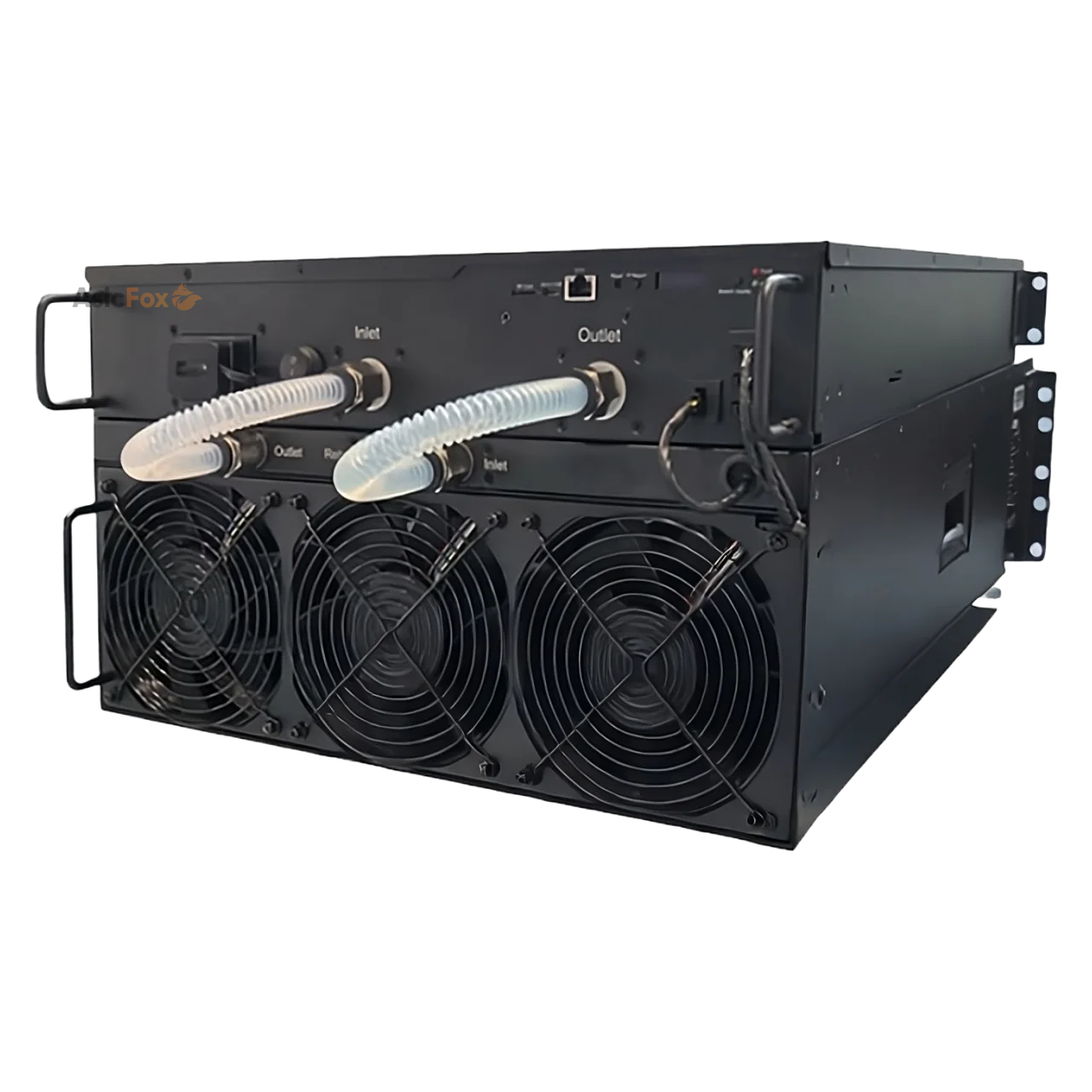
Asic-miner Bitmain Antminer L11 Hyd 6U 33Gh/s 5676Вт (L11 Hydro 6U 33Gh/s)
- 33 Gh/s
- 5676
- 172 W/Gh

- AlgorithmScrypt
- МонетыBellscoin - BELLS
- Дата производства2025
-
Bitmain AntminerIn stock
Asic-miner Bitmain Antminer L11 Pro 21Gh/s 3612Вт (L11 Pro 21Gh/s)
- 21 Gh/s
- 3612
- 172 W/Gh
- AlgorithmScrypt
- МонетыBellscoin - BELLS
- Дата производства2025
-
Bitmain AntminerIn stock
Asic-miner Bitmain Antminer L11 20Gh/s 3680Вт (L11 20Gh/s)
- 20 Gh/s
- 3680
- 184 W/Gh
- AlgorithmScrypt
- МонетыBellscoin - BELLS
- Дата производства2025
-
- AlgorithmScrypt
- МонетыDogecoin - DOGE
-
- AlgorithmScrypt
- МонетыBellscoin - BELLS
- Дата производства2024
-
- AlgorithmScrypt
- МонетыBellscoin - BELLS
- Дата производства2024
-
Bitmain AntminerIn stock
Asic-miner Bitmain Antminer L9 15Gh/s Scrypt 3300Вт (L9 15Gh/s)
- 15Gh/s
- 3300
- 220 W/Gh
- AlgorithmScrypt
- МонетыBellscoin - BELLS
- Дата производства2024
-
- AlgorithmScrypt
- МонетыBellscoin - BELLS
- Дата производства2025
-
- AlgorithmScrypt
- МонетыBellscoin - BELLS
- Дата производства2024
-
VolcMinerIn stock
Asic-miner VolcMiner D1 Mini Pre 2.2Gh/s 500Вт (D1 Mini Pre 2.2Gh/s)
- 2.2 Gh/s
- 500
- 0,23 W/Mh
- AlgorithmScrypt
- МонетыBellscoin - BELLS
- Дата производства2025
-
Bitmain AntminerIn stock
Asic-miner Bitmain Antminer L7 9.5Gh/s 3425Вт (L7 9.5Gh/s)
- 9.5 Gh/s
- 3425
- 360,53 W/Gh
- AlgorithmScrypt
- МонетыBellscoin - BELLS
- Дата производства2021
-
- AlgorithmScrypt
- МонетыBellscoin - BELLS
- Дата производства2024

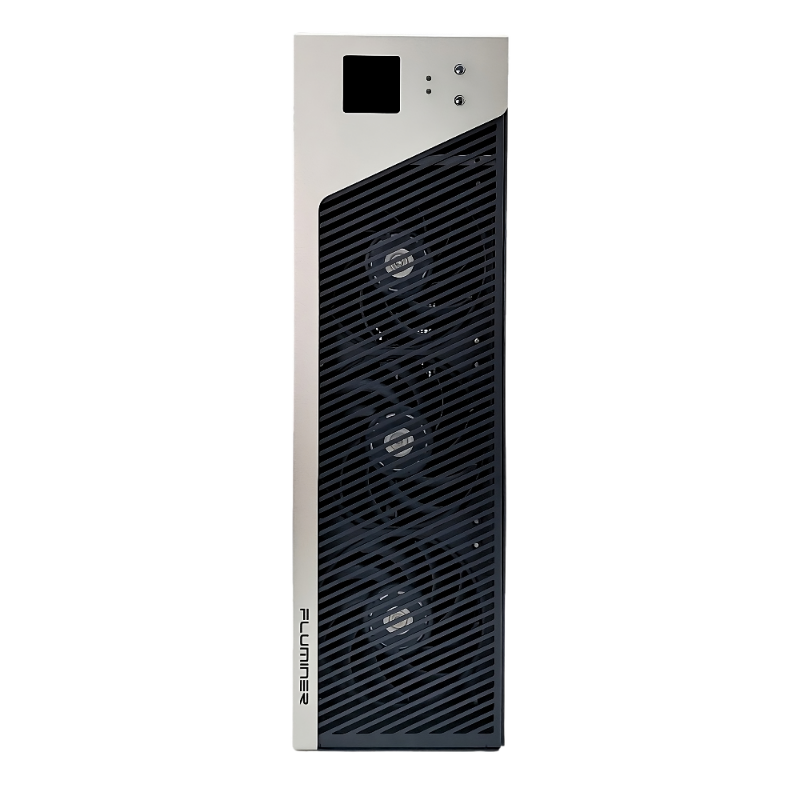
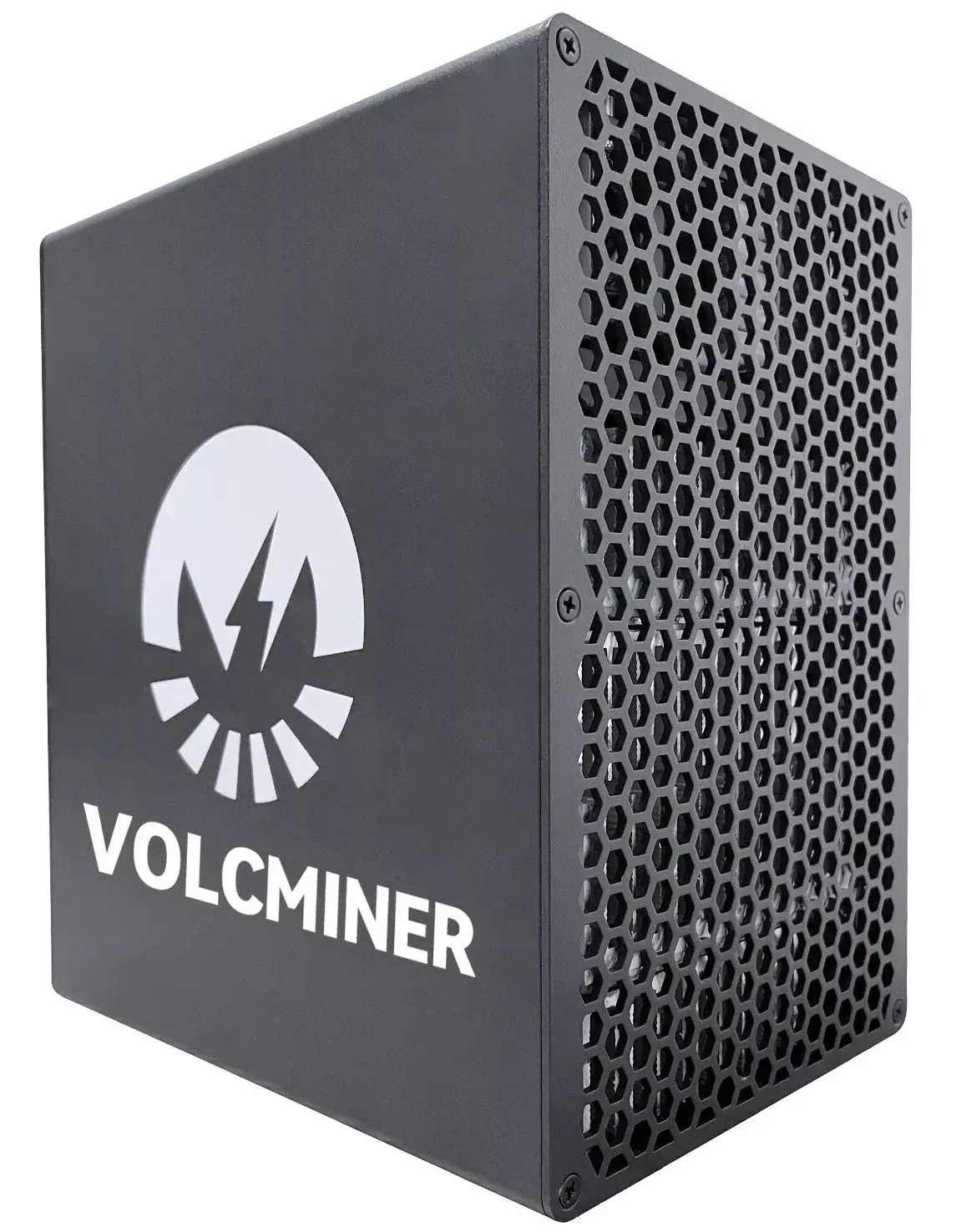

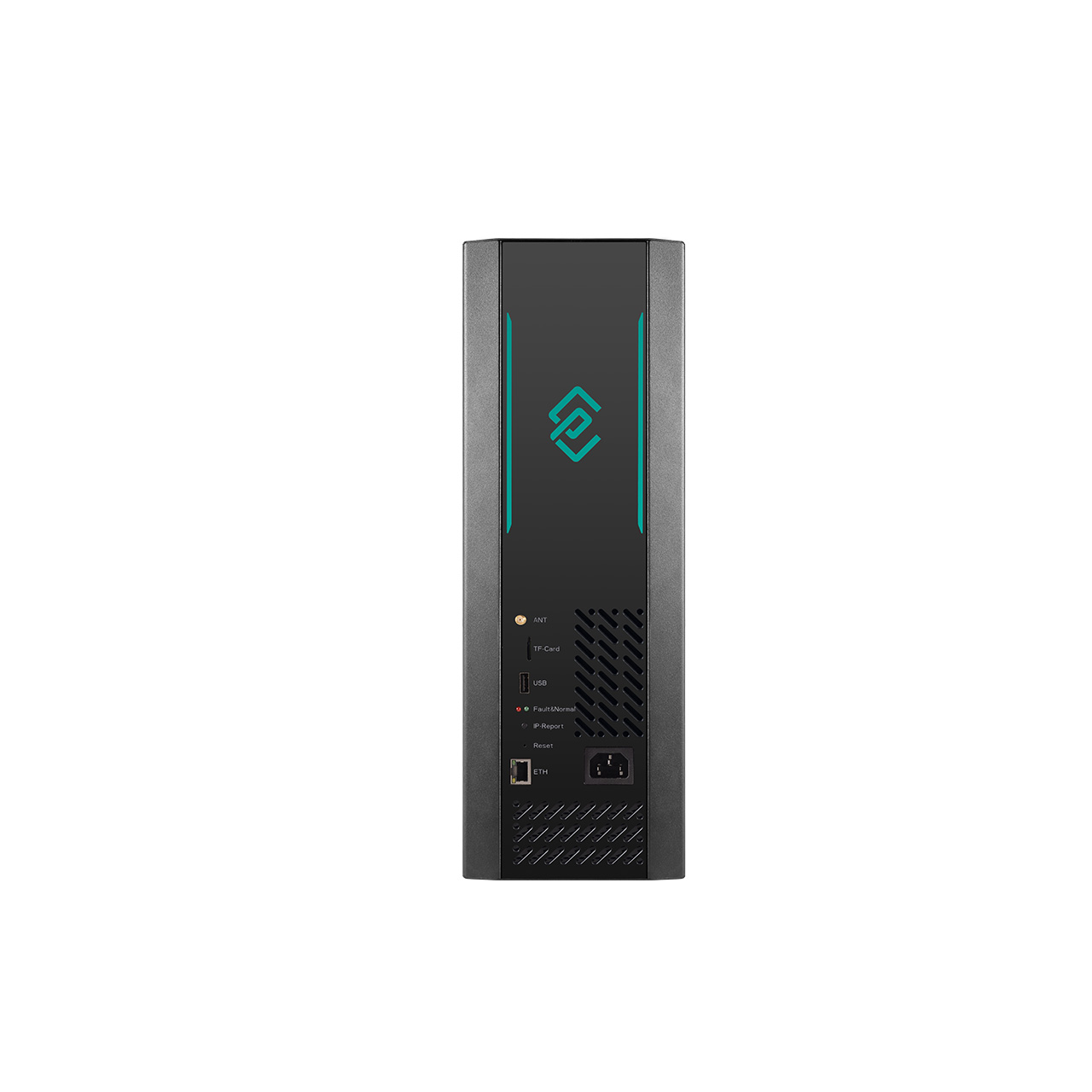
Dogecoin was founded in 2013. It all started as a joke: a meme token and a parody of the then (and still) popular Shiba Inu dog. Riding the crypto boom, the meme quickly spread across social media — and what was meant as a prank gradually became a full-fledged asset.
Years have passed, and the “joke” has long outgrown its original idea. DOGE’s market cap is now measured in billions of dollars, major companies accept it as payment, and every new post from Elon Musk or headline about DOGE as a payment method can still shake the market.
How does DOGE mining work?
Dogecoin runs on the Scrypt algorithm. Blocks are generated every minute — not every 10 minutes like Bitcoin. Network difficulty is recalculated every 240 blocks, roughly every 4 hours.
Dogecoin’s main feature is merged mining with Litecoin. The same hardware mines both coins at once with no extra electricity cost. You get double the reward for the same work — which is why Scrypt miners remain in demand.
DOGE’s price generally follows Bitcoin, but it is much more volatile. For miners, that means unstable but potentially high returns — especially when margins rise and the coin price outpaces network difficulty.
Why ASIC miners for Dogecoin?
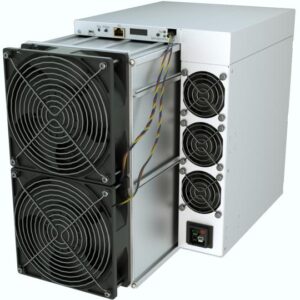
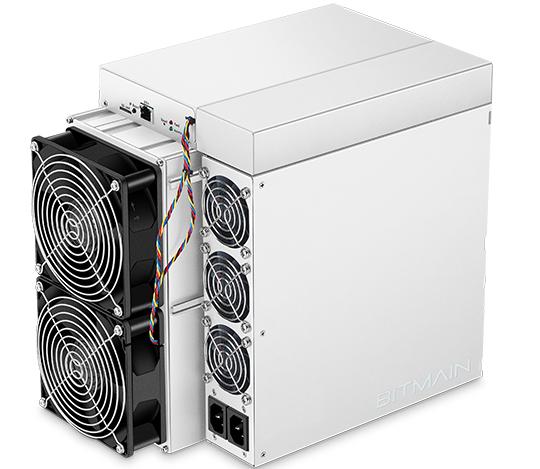
Network difficulty has grown so much that home or outdated equipment simply doesn’t pay off. ASIC miners for Dogecoin (Scrypt), built specifically for this algorithm, take over: no extra features, maximum performance per watt.
Modern Scrypt miners for DOGE deliver gigahashes per second while drawing only a few kilowatts. Their hash-rate-to-power ratio is hundreds of times better than GPUs and other alternatives once used for mining.
What affects profitability
The main factor is electricity cost. Above about $0.10 per kWh, mining often becomes barely profitable. For most setups, the sweet spot is $0.05–0.08 per kWh.
Network difficulty rises with the number of miners: the more participants in a pool, the harder it is to find a block. Each block still pays out multiple coins at market value. Merged mining of DOGE and LTC partly offsets this — you earn both cryptocurrencies from the same work.
Prospects for DOGE mining
Dogecoin stays popular: low fees, fast confirmations, and a recognizable brand make it practical for everyday payments. Media mentions, interest from large companies, and talks about payment integration — from Tesla to AMC — still keep attention on the coin.
Technical improvements continue: developers occasionally discuss moving to a more energy-efficient consensus algorithm, but there are no fixed dates. For now, Proof-of-Work remains the backbone of the network, and Scrypt miners are the most efficient way to mine DOGE.
Dogecoin in 2026
In 2026, Dogecoin remains one of the best-known cryptocurrencies: the network runs steadily, merged mining with Litecoin is still the norm, and Scrypt ASICs are the main tool for anyone who wants to mine DOGE with reasonable payback. The market is still sensitive to news and sentiment, but for miners with affordable power and modern hardware, paired DOGE + LTC mining remains one of the clearest and most practical options in the Scrypt segment.