Asic-miners for Ethereum Classic - ETC mining
- Payback period calculation
- Help choosing something within your budget
- Post-purchase support
- Popular models in stock
-
JasminerOut of stock
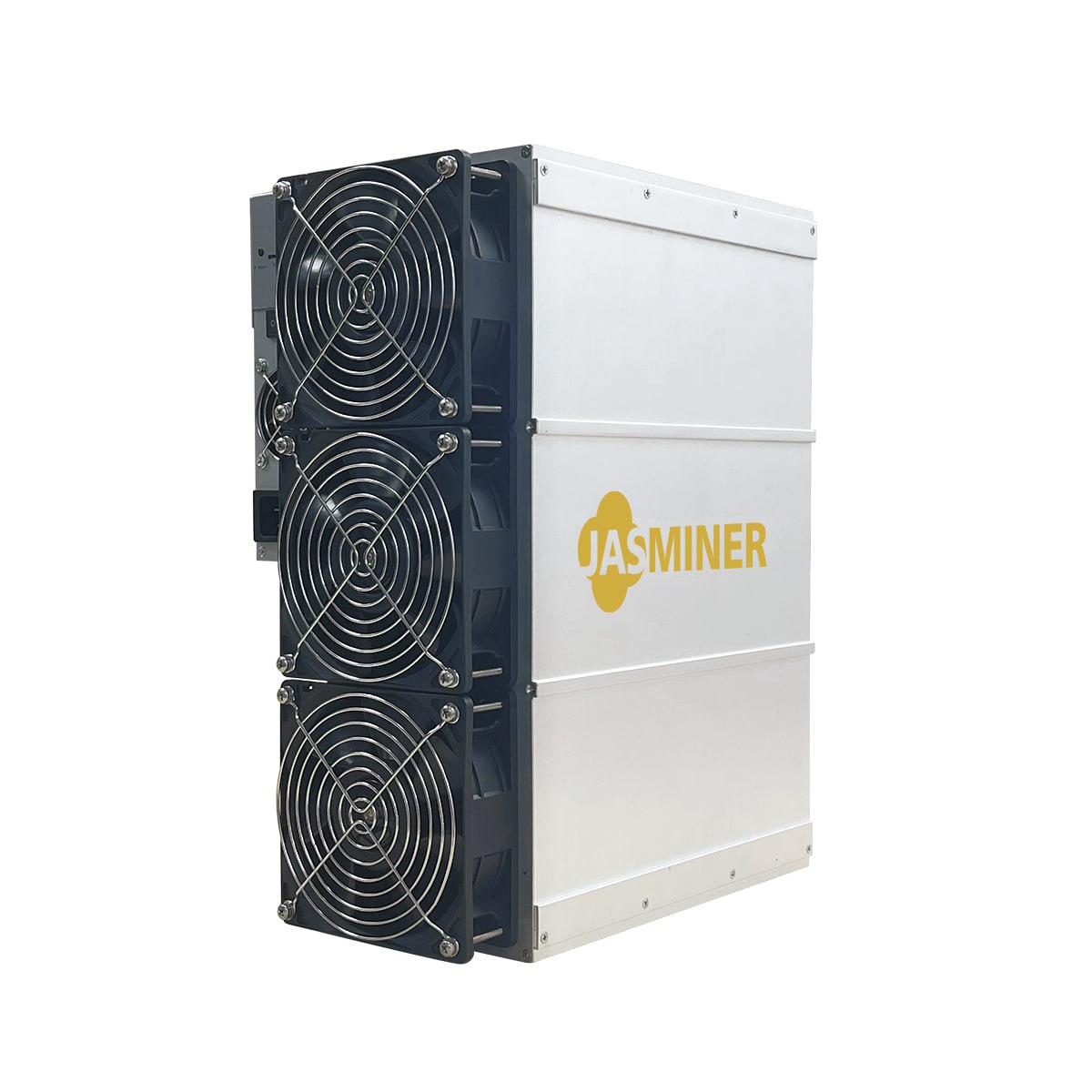
Asic-miner Jasminer X44-P 23.4Gh/s 2550Вт (X44-P 23.4Gh/s)
- 23.4 Gh/s
- 2550
- 108,97 W/Gh
- AlgorithmEthash
- МонетыEthereum Classic - ETC
- Дата производства2025
-
innosiliconOut of stock
Asic-miner Innosilicon A11 Pro ETH 1.5Gh/s 2350Вт (A11 Pro ETH 1.5Gh/s)
- 1.5 Gh/s
- 2350
- 1,57 W/Mh
- AlgorithmEthash
- МонетыEthereum Classic - ETC
- Дата производства2021
-
- МонетыEthereum Classic - ETC
-
Bitmain AntminerOut of stock
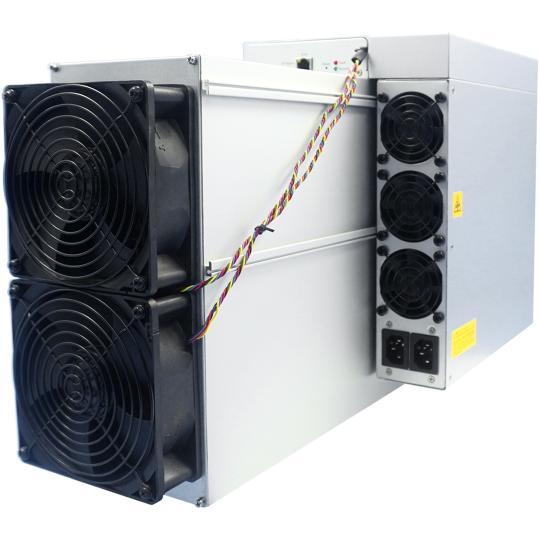
Asic-miner Bitmain Antminer E9 Pro 3.58Gh/s 2200Вт (E9 Pro 3.58Gh/s)
- 3.58Gh/s
- 2200
- 0,61 W/Mh
- AlgorithmEthash
- МонетыEthereum Classic - ETC
- Дата производства2023
-
Bitmain AntminerOut of stock
Asic-miner Bitmain Antminer E9 Pro 3.48Gh/s 2200Вт (E9 Pro 3.58Gh/s)
- 3.48Gh/s
- 2200
- 0,63 W/Mh
- AlgorithmEthash
- МонетыEthereum Classic - ETC
- Дата производства2023
-
Bitmain AntminerOut of stock
Asic-miner Bitmain Antminer E9 Pro 3.78Gh/s 2200Вт (E9 Pro 3.68Gh/s)
- 3.78Gh/s
- 2200
- 0,58 W/Mh
- AlgorithmEthash
- МонетыEthereum Classic - ETC
- Дата производства2023
-
JasminerOut of stock
Asic-miner Jasminer X16-QE 1.75Gh/s 550Вт (X16-QE 1.75Gh/s)
- 1.75 Gh/s
- 550
- 0,31 W/Mh
- AlgorithmEthash
- МонетыEthereum Classic - ETC
- Дата производства2024
-
Bitmain AntminerOut of stock
Asic-miner Bitmain Antminer E9 Pro 3.68Gh/s 2200Вт (E9 Pro 3.68Gh/s)
- 3.68 Gh/s
- 2200
- 0,6 W/Mh
- AlgorithmEthash
- МонетыEthereum Classic - ETC
- Дата производства2023
-
Bitmain AntminerOut of stock
Asic-miner Bitmain Antminer E11 9Gh/s 2340Вт (E11 9Gh/s)
- 9 Gh/s
- 2340
- 260 W/Gh
- AlgorithmEthash
- МонетыEthereum Classic - ETC
- Дата производства2025
-
Bitmain AntminerOut of stock
Asic-miner Bitmain Antminer E9 2.4Gh/s 1920Вт (E9 2.4Gh/s)
- 2.4 Gh/s
- 1920
- 0,8 W/Mh
- AlgorithmEthash
- МонетыEthereum Classic - ETC
- Дата производства2022
-
- AlgorithmEthash
- МонетыEthereum Classic - ETC
- Дата производства2023
-
- AlgorithmEthash
- МонетыEthereum Classic - ETC
- Дата производства2023

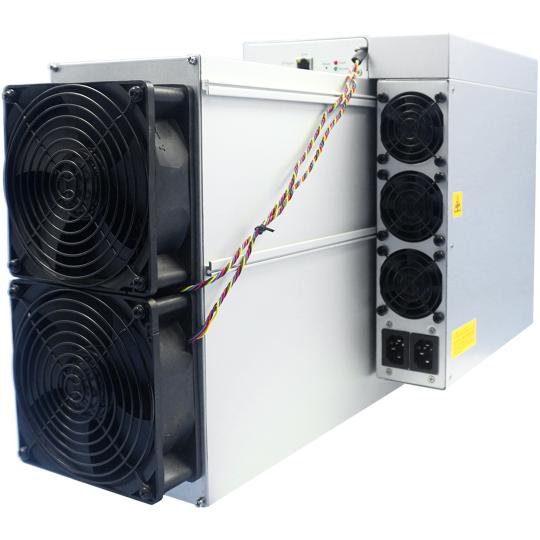
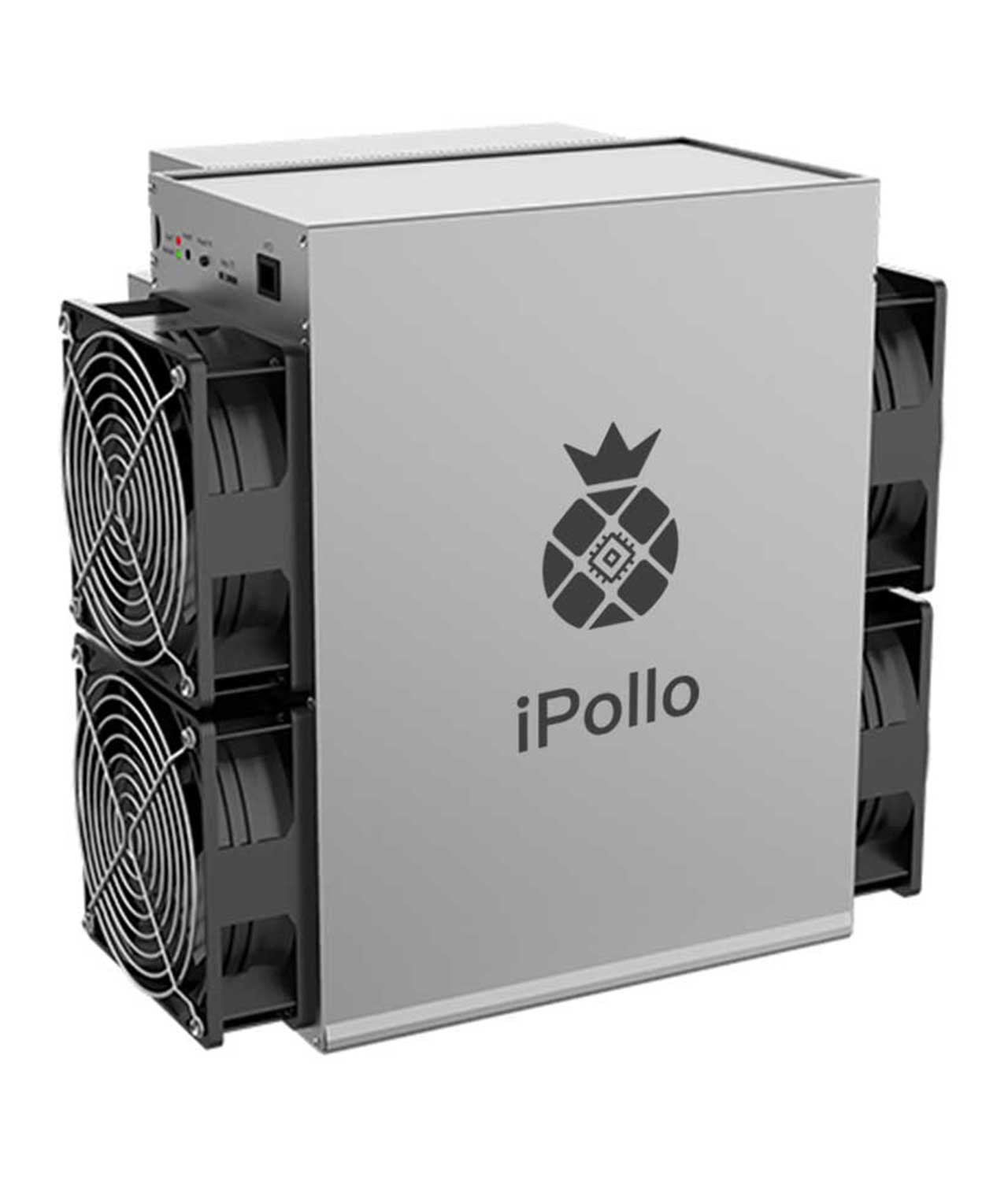
Ethereum Classic (ETC) remains one of the largest cryptocurrencies that continues to operate using the Proof-of-Work consensus mechanism after Ethereum’s transition to Proof-of-Stake. The network currently runs on the Etchash algorithm, a modified version of Ethash optimized for a smaller DAG file size. As a result, Ethereum Classic remains attractive for mining, with specialized ASIC miners now contributing the majority of the network’s hashrate.
Since its launch in 2016, Ethereum Classic has evolved independently from the main Ethereum network while maintaining its commitment to blockchain immutability and decentralization. In 2026, ETC remains one of the most recognized PoW cryptocurrencies and continues to receive support from major exchanges, mining pools, and hardware manufacturers.
How Ethereum Classic Mining Works
A new block is generated approximately every 13 seconds on the Ethereum Classic network. Mining difficulty adjusts dynamically according to the total network hashrate. As more computational power joins the network, mining difficulty increases accordingly.
The Etchash algorithm was specifically designed for Ethereum Classic and utilizes a smaller DAG file compared to the historical Ethereum network. However, efficient mining still requires hardware with substantial memory capacity and high bandwidth.
Modern ASIC miners provide significantly better hashrate-to-power-consumption ratios than GPUs, making them the dominant mining hardware on the ETC network today.
Current ASIC Miners for Ethereum Classic
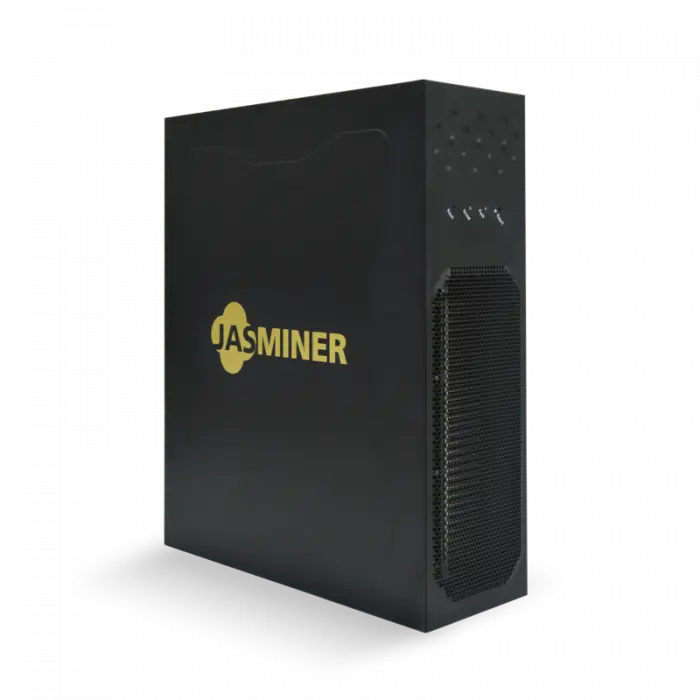
Jasminer X16-Q. One of the quietest ASIC miners available for the Etchash algorithm. It delivers approximately 1.95 GH/s while consuming around 620W and producing about 40 dB of noise, making it suitable for home mining.
Jasminer X44-P. A high-performance air-cooled miner capable of delivering approximately 23.4 GH/s with power consumption of around 2,550W. Noise levels typically range from 70 to 80 dB, making it more suitable for mining farms or dedicated facilities.
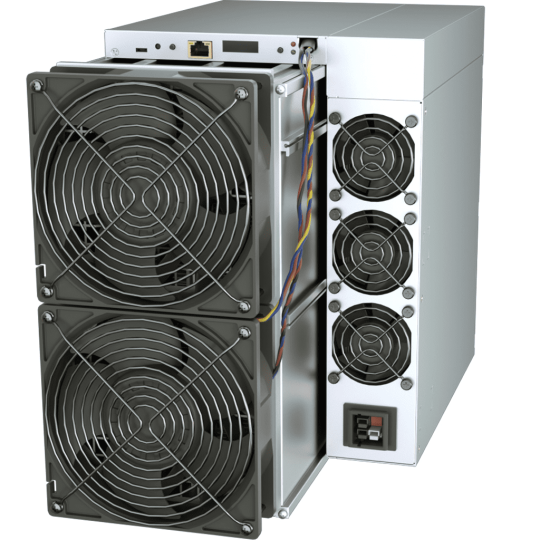
iPollo V1 Hydro. A water-cooled ASIC miner delivering approximately 850–900 MH/s while consuming around 800W. Although its energy efficiency trails some modern Jasminer models, it remains attractive for setups utilizing liquid cooling or heat recovery systems.
Jasminer X44-Q. One of the newer ASIC models that gained popularity throughout 2025–2026 due to its combination of strong performance and improved energy efficiency compared to earlier generations.
ETC Mining Outlook
Ethereum Classic network difficulty continues to increase as more ASIC miners join the network. As a result, choosing mining hardware based solely on hashrate is no longer sufficient; energy efficiency has become equally important.
In 2026, power efficiency remains one of the key factors affecting mining profitability. Modern ASIC miners allow operators to remain competitive even as network difficulty rises and ETC market prices fluctuate.