Asic-miners for Zilliqa - ZIL mining
- Payback period calculation
- Help choosing something within your budget
- Post-purchase support
- Popular models in stock
-
- МонетыEthereum Classic - ETC
Zilliqa (ZIL) is one of the few blockchain projects that historically implemented a hybrid architecture combining elements of Proof-of-Work and Practical Byzantine Fault Tolerance (pBFT). This approach allowed Proof-of-Work to be used not for continuous block production, but for selecting nodes that would participate in transaction validation.
As a result, ASIC miners played an important role in the Zilliqa ecosystem by providing the computational power required during the network’s PoW phases. Although the platform has continued to evolve over the years, interest in ZIL mining remains due to its unique architecture and its ability to complement mining activities on other networks.
Zilliqa Mining Features
Historically, Zilliqa utilized the Ethash algorithm, similar to the one Ethereum used before transitioning to Proof-of-Stake.
Key mining characteristics included:
• Proof-of-Work phases operated periodically rather than continuously. Miners participated during scheduled mining windows to help determine validator nodes.
• Blocks were generated faster than in traditional PoW networks, while transaction confirmation was handled through the pBFT consensus mechanism, reducing network load and increasing transaction throughput.
• Mining difficulty depended on overall network hashrate and could change significantly as miners joined or left the network.
Because mining activity occurred only during specific periods, many operators used ZIL alongside other cryptocurrencies to increase overall mining efficiency.
Current Miners for ZIL
For Ethash and Etchash-based mining environments traditionally associated with ZIL mining, the following ASIC miners remain popular:
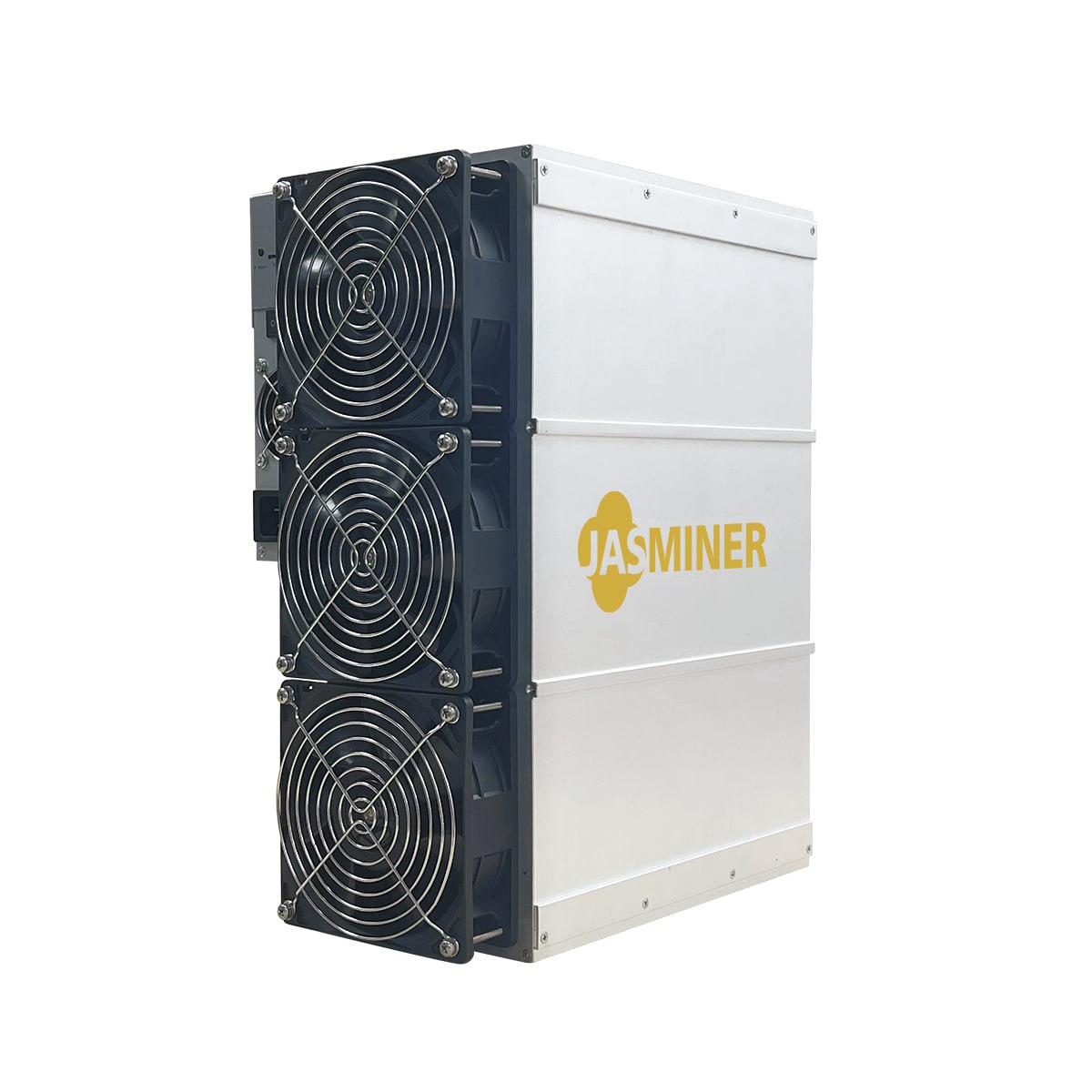
Jasminer X16-Q. One of the most energy-efficient Ethash/Etchash ASIC miners available, delivering approximately 1.95 GH/s while consuming around 620–630W.
Jasminer X4-1U. A compact server-form-factor ASIC miner offering approximately 520 MH/s at around 240W. It remains particularly attractive for data-center deployments due to its high rack density.
iPollo V1 Mini SE Plus. A popular home-mining solution providing approximately 400–450 MH/s while consuming about 230W. Its quiet operation makes it suitable for residential environments and heat-recovery setups.
Jasminer X44 Series. A newer generation of ASIC miners that gained popularity throughout 2025–2026 due to higher performance and improved energy efficiency.
Advantages of Mining ZIL
One of Zilliqa’s most distinctive characteristics was its ability to be mined alongside other cryptocurrencies. Many miners historically combined ZIL mining with Ethereum Classic (ETC) or EthereumPoW (ETHW), receiving additional rewards during ZIL’s active PoW periods.
This approach allowed operators to maximize hardware utilization and improve overall mining profitability.
Even in 2026, Zilliqa remains an interesting blockchain project thanks to its unique architecture, active community, and innovative historical combination of Proof-of-Work and pBFT consensus mechanisms.